

Offshore roles offer unique working patterns that differ significantly from traditional jobs.
Rotation schedules are designed to balance time on site with time off, allowing workers to manage demanding environments.
Common rotation patterns include two weeks on two weeks off or four weeks on four weeks off.
The exact schedule depends on the project and location.
In oil and gas, rotations have been established for many years.
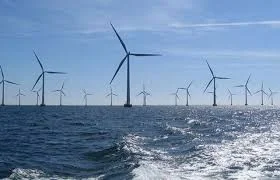
In offshore wind, similar patterns are becoming more common as the sector grows.
Working offshore requires preparation.
Roles are physically and mentally demanding, requiring long hours and strict adherence to safety standards.
However, there are benefits.
Competitive salaries, additional allowances and extended time off make offshore roles attractive to many professionals.
Understanding expectations is key.
Candidates should be prepared for travel, time away from home and challenging working conditions.
For those suited to the environment, offshore roles can offer strong career progression and financial rewards.
Explore offshore opportunities https://www.kintecglobal.com/job-search/